 https://equalitymyanmar.org/mm/wp-content/uploads/2020/12/AAPP_upr.jpg
185
351
equalityMM
https://equalitymyanmar.org/mm/wp-content/uploads/2018/12/cropped-logo-eqmm2-1-300x264.png
equalityMM2020-09-30 14:08:412020-12-15 14:11:32AAPP (Burma) Submission to the United Nations Universal Periodic Review Of Burma/Myanmar
https://equalitymyanmar.org/mm/wp-content/uploads/2020/12/AAPP_upr.jpg
185
351
equalityMM
https://equalitymyanmar.org/mm/wp-content/uploads/2018/12/cropped-logo-eqmm2-1-300x264.png
equalityMM2020-09-30 14:08:412020-12-15 14:11:32AAPP (Burma) Submission to the United Nations Universal Periodic Review Of Burma/Myanmar https://equalitymyanmar.org/mm/wp-content/uploads/2020/12/uprcover1.jpg
185
214
equalityMM
https://equalitymyanmar.org/mm/wp-content/uploads/2018/12/cropped-logo-eqmm2-1-300x264.png
equalityMM2020-09-29 14:25:362020-12-15 14:29:29Submission to the United Nations Universal Periodic Review of Myanmar-2020
https://equalitymyanmar.org/mm/wp-content/uploads/2020/12/uprcover1.jpg
185
214
equalityMM
https://equalitymyanmar.org/mm/wp-content/uploads/2018/12/cropped-logo-eqmm2-1-300x264.png
equalityMM2020-09-29 14:25:362020-12-15 14:29:29Submission to the United Nations Universal Periodic Review of Myanmar-2020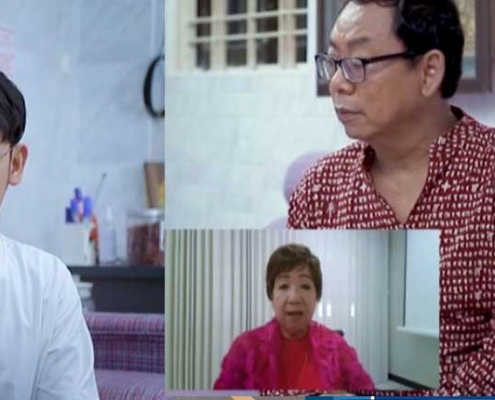 https://equalitymyanmar.org/mm/wp-content/uploads/2020/09/burmeselgbt1.jpg
430
1500
Equality Myanmar
https://equalitymyanmar.org/mm/wp-content/uploads/2018/12/cropped-logo-eqmm2-1-300x264.png
Equality Myanmar2020-09-25 13:29:132020-09-25 13:29:13HRETV-168 (LGBT နှင့် အိမ်တွင်းအကြမ်းဖက်မှု)
https://equalitymyanmar.org/mm/wp-content/uploads/2020/09/burmeselgbt1.jpg
430
1500
Equality Myanmar
https://equalitymyanmar.org/mm/wp-content/uploads/2018/12/cropped-logo-eqmm2-1-300x264.png
Equality Myanmar2020-09-25 13:29:132020-09-25 13:29:13HRETV-168 (LGBT နှင့် အိမ်တွင်းအကြမ်းဖက်မှု)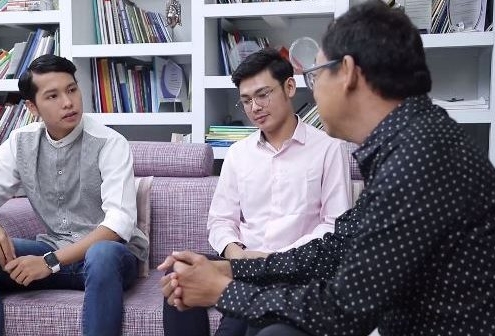 https://equalitymyanmar.org/mm/wp-content/uploads/2020/12/forweb-637x336-1.jpg
336
637
equalityMM
https://equalitymyanmar.org/mm/wp-content/uploads/2018/12/cropped-logo-eqmm2-1-300x264.png
equalityMM2020-09-25 12:07:172020-12-15 12:10:24သက်တန့်မျက်ရည်များတိတ်စေဖို့
https://equalitymyanmar.org/mm/wp-content/uploads/2020/12/forweb-637x336-1.jpg
336
637
equalityMM
https://equalitymyanmar.org/mm/wp-content/uploads/2018/12/cropped-logo-eqmm2-1-300x264.png
equalityMM2020-09-25 12:07:172020-12-15 12:10:24သက်တန့်မျက်ရည်များတိတ်စေဖို့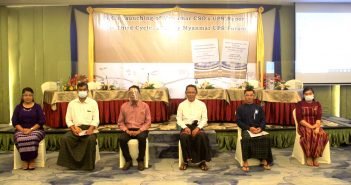 https://equalitymyanmar.org/mm/wp-content/uploads/2018/12/cropped-logo-eqmm2-1-300x264.png
0
0
Equality Myanmar
https://equalitymyanmar.org/mm/wp-content/uploads/2018/12/cropped-logo-eqmm2-1-300x264.png
Equality Myanmar2020-09-15 15:36:422020-09-15 15:36:45ယနေ့မှသည် အနာဂတ်ဆီ
https://equalitymyanmar.org/mm/wp-content/uploads/2018/12/cropped-logo-eqmm2-1-300x264.png
0
0
Equality Myanmar
https://equalitymyanmar.org/mm/wp-content/uploads/2018/12/cropped-logo-eqmm2-1-300x264.png
Equality Myanmar2020-09-15 15:36:422020-09-15 15:36:45ယနေ့မှသည် အနာဂတ်ဆီ https://equalitymyanmar.org/mm/wp-content/uploads/2020/12/1-351x185-2.jpg
185
351
equalityMM
https://equalitymyanmar.org/mm/wp-content/uploads/2018/12/cropped-logo-eqmm2-1-300x264.png
equalityMM2020-09-11 12:24:502020-12-15 12:29:50COVID-19 & LGBTIQ’ ကျန်းမာရေး
https://equalitymyanmar.org/mm/wp-content/uploads/2020/12/1-351x185-2.jpg
185
351
equalityMM
https://equalitymyanmar.org/mm/wp-content/uploads/2018/12/cropped-logo-eqmm2-1-300x264.png
equalityMM2020-09-11 12:24:502020-12-15 12:29:50COVID-19 & LGBTIQ’ ကျန်းမာရေး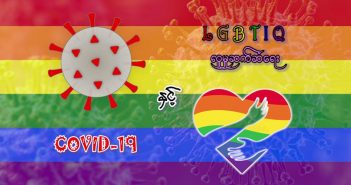 https://equalitymyanmar.org/mm/wp-content/uploads/2020/12/feature-351x185-1.jpg
185
351
equalityMM
https://equalitymyanmar.org/mm/wp-content/uploads/2018/12/cropped-logo-eqmm2-1-300x264.png
equalityMM2020-09-11 12:19:272020-12-15 12:23:10COVID-19 & LGBTIQ Social Relations
https://equalitymyanmar.org/mm/wp-content/uploads/2020/12/feature-351x185-1.jpg
185
351
equalityMM
https://equalitymyanmar.org/mm/wp-content/uploads/2018/12/cropped-logo-eqmm2-1-300x264.png
equalityMM2020-09-11 12:19:272020-12-15 12:23:10COVID-19 & LGBTIQ Social Relations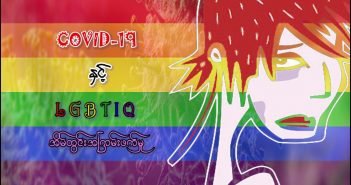 https://equalitymyanmar.org/mm/wp-content/uploads/2020/12/featureph-351x185-1.jpg
185
351
equalityMM
https://equalitymyanmar.org/mm/wp-content/uploads/2018/12/cropped-logo-eqmm2-1-300x264.png
equalityMM2020-09-11 12:15:562020-12-15 12:19:12COVID-19 & LGBTIQ Domestic Violence
https://equalitymyanmar.org/mm/wp-content/uploads/2020/12/IMG_0141-351x185-1.jpg
185
351
equalityMM
https://equalitymyanmar.org/mm/wp-content/uploads/2018/12/cropped-logo-eqmm2-1-300x264.png
equalityMM2020-08-31 14:29:562020-12-15 14:34:29UPR report launching
https://equalitymyanmar.org/mm/wp-content/uploads/2018/12/cropped-logo-eqmm2-1-300x264.png
0
0
equalityMM
https://equalitymyanmar.org/mm/wp-content/uploads/2018/12/cropped-logo-eqmm2-1-300x264.png
equalityMM2020-08-13 14:35:332020-12-15 14:38:32Attending and intervention at UN meetings
https://equalitymyanmar.org/mm/wp-content/uploads/2020/12/featureph-351x185-1.jpg
185
351
equalityMM
https://equalitymyanmar.org/mm/wp-content/uploads/2018/12/cropped-logo-eqmm2-1-300x264.png
equalityMM2020-09-11 12:15:562020-12-15 12:19:12COVID-19 & LGBTIQ Domestic Violence
https://equalitymyanmar.org/mm/wp-content/uploads/2020/12/IMG_0141-351x185-1.jpg
185
351
equalityMM
https://equalitymyanmar.org/mm/wp-content/uploads/2018/12/cropped-logo-eqmm2-1-300x264.png
equalityMM2020-08-31 14:29:562020-12-15 14:34:29UPR report launching
https://equalitymyanmar.org/mm/wp-content/uploads/2018/12/cropped-logo-eqmm2-1-300x264.png
0
0
equalityMM
https://equalitymyanmar.org/mm/wp-content/uploads/2018/12/cropped-logo-eqmm2-1-300x264.png
equalityMM2020-08-13 14:35:332020-12-15 14:38:32Attending and intervention at UN meetings ညီမျှခြင်း မြန်မာ” သည် လူ့အခွင့်အရေး ပညာပေးအစီအစဉ်များ၊ လူ့အခွင့်အရေးချိုးဖောက်မှုများ ကို မှတ်တမ်းတင်ကာ တက်ကြွ လှုပ်ရှားသူများ၊ လူ့အခွင့် အရေး ကာကွယ်စောင့်ရှောက်သူများနှင့် ၎င်းတို့၏ မိသားစုများအတွက် အရေးပေါ် ပံ့ပိုး မှုများ ပံ့ပိုးပေးသည့် အစိုးရမဟုတ်သောအဖွဲ့အစည်း တခုဖြစ်သည်။ ထို့အပြင် ဒေသခံအရပ်ဘက်အဖွဲ့အစည်းများ၊ ပညာပေးသူများနှင့် လူ့အခွင့်အရေး တက်ကြွလှုပ်ရှားသူများ လည်းပါဝင်သည်။ ကျွန်ုပ်တို့၏ အစီအစဉ်များနှင့် လှုပ်ရှားမှု များသည် မြန်မာနိုင်ငံရှိ ပြည်နယ်နှင့် တိုင်းဒေသ ကြီးများ၌ ထိရောက်စွာ လှုပ်ရှားနိုင်ခဲ့သည်။